






|
Quantity
|
Total
|
||
|
|
|||
|
|
|||
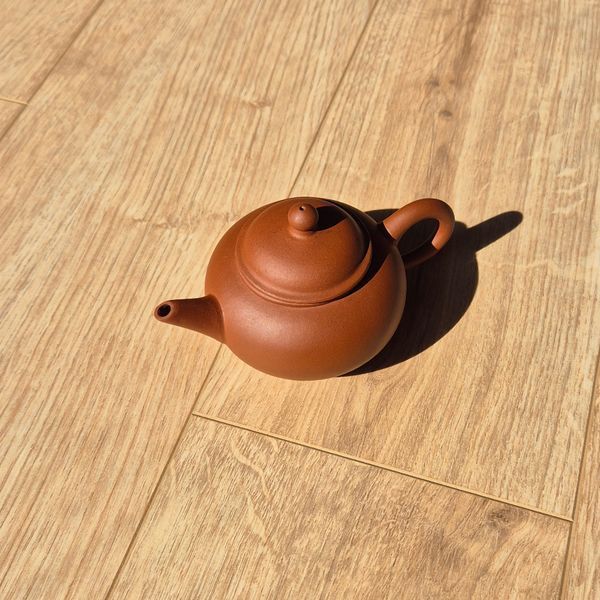
🫖 Shui Ping F1 70s
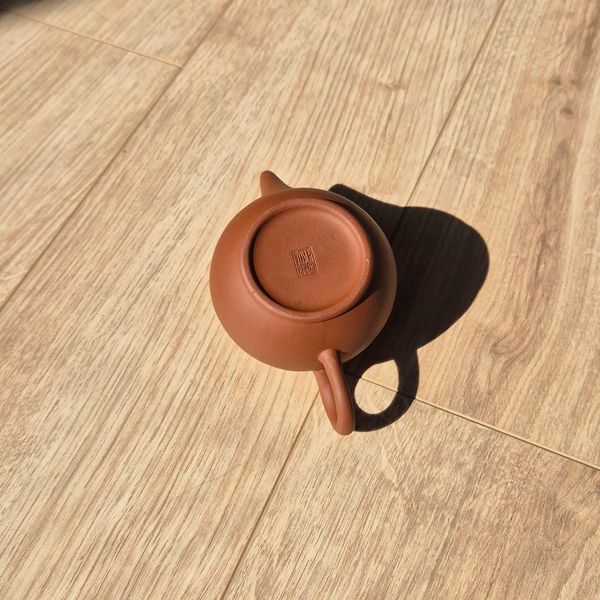
🔎 Everything in this teapot speaks of the period of its manufacture: clay, details of the forms, processing, but one nuance that kept me confused. And this is the shape of the ring of the bottom of the teapot. The fact is that it usually does not have a direct transition (photo 5), but everyone confirmed to me that teapots from 110 ml had such a ring. Then I saw such a bottom in the encyclopedia together with a similar representative (photo 6).
➡️ The price of this teapot is almost half the price of a similar one because of two things:
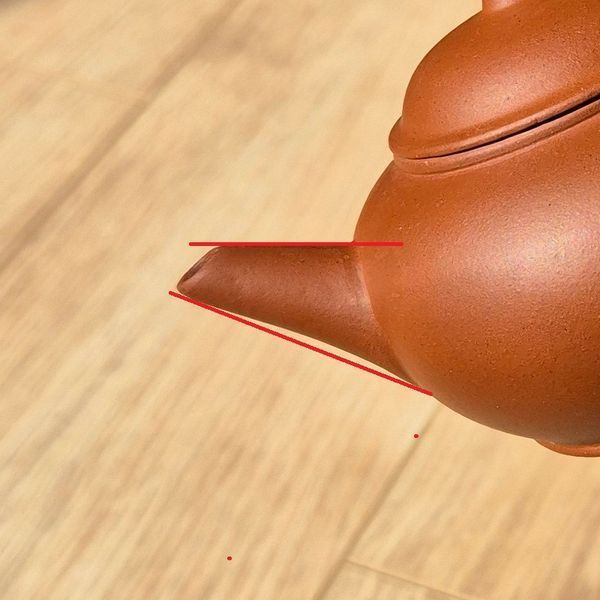
1) The spout. It is normal, but apparently at the Factory it was subjected to additional processing, maybe it was touched. In photo 7, two lines are drawn near the spout, one of the lines shows the difference in shape.
2) The lid. It sits well, but depending on the position. This happens when the lid ring is slightly oval. That is, when you insert the lid, everything is fine and does not even leak, but if you twist it, it sits tight and can leak, but then the kettle can be lifted by the button, because the lid sits as tightly as possible😀 This does not cause any discomfort in use, but should be a warning. Also under the lid there is "spitting black", that is, iron pigment of red clay.
💦 Volume 110 ml, dark clay Hong Ni. For any tea
Price 4900 UAH 🫖 Shui Ping F1 70s
🔎 Everything in this kettle speaks of the period of its manufacture: clay, details of the forms, processing, but one nuance that kept me confused. And this is the shape of the bottom ring of the kettle. The fact is that it usually does not have a direct transition (photo 5), but everyone confirmed to me that teapots from 110 ml had such a ring. Then I saw such a bottom in the encyclopedia together with a similar representative (photo 6).
➡️ The price of this teapot is almost half the price of a similar one because of two things:
1) The spout. It is normal, but apparently at the Factory it underwent additional processing, maybe it was touched. In photo 7, two lines are drawn near the spout, one of the lines shows the difference in shape.
2) The lid. It sits well, but depending on the position. This happens when the lid ring has a slightly oval shape. That is, when you insert the lid, everything is fine and it doesn't even leak, but if you twist it, it sits tight and can leak, but then you can lift the kettle by the button, because the lid sits as tightly as possible😀 This does not cause any discomfort in use, but should be a warning. Also, there is "black spitting" under the lid, that is, iron pigment of red clay.