





|
Quantity
|
Total
|
||
|
|
|||
|
|
|||
Duan Ni Hohin F1 70s
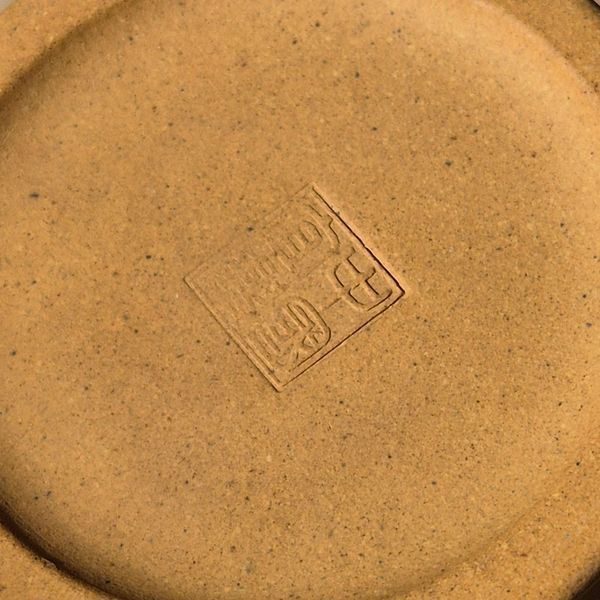
🔎 A rare guest even in stores. The fact is that this hohin, as well as others from the same series, but which have a handle or hexagonal shape, were produced for a short time. The first batches are known from the official catalog of Factory No. 1, oriented to the 60s or 70s. Such a discrepancy is due to the fact that the catalog included models from the 60s, as well as new ones - from the early 1970s, when the catalog was printed. Later, there were releases in the early Green Label, that is, in the late 1970s. But later, Khokhin made of yellow clay are absent from any catalogs or references. Thus, this Khokhin is either from the late Cultural Revolution period or from the early Green Label period.
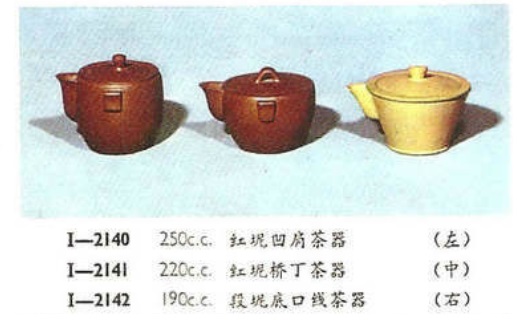

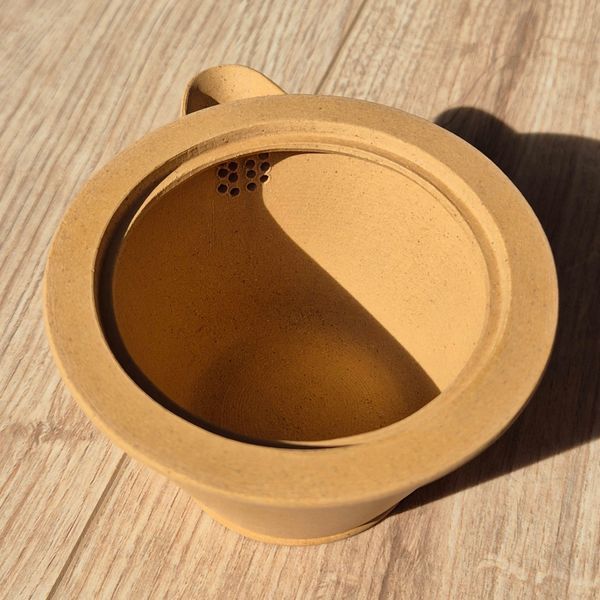
🌞 This series of hohins is the first among the F1 for export to Japan, and the large number of holes in the filter is intended for small-leaf Japanese tea. I have an assumption that duanni hohins ceased to exist precisely because of this, since drinking green tea from this type of clay at least makes no sense. Green tea is too delicate, and yellow clay has a pronounced effect of rounding the taste of tea, so at the output it will be water with the aroma of tea. But it is ideal for wet and dry-aged shu pu-ers, wet-aged shen pu-ers or young aggressive shen, as well as for sharp light or roasted dark oolongs.
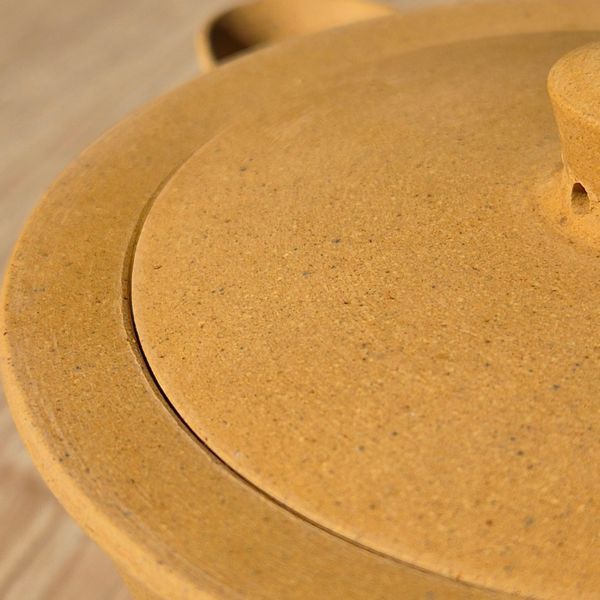
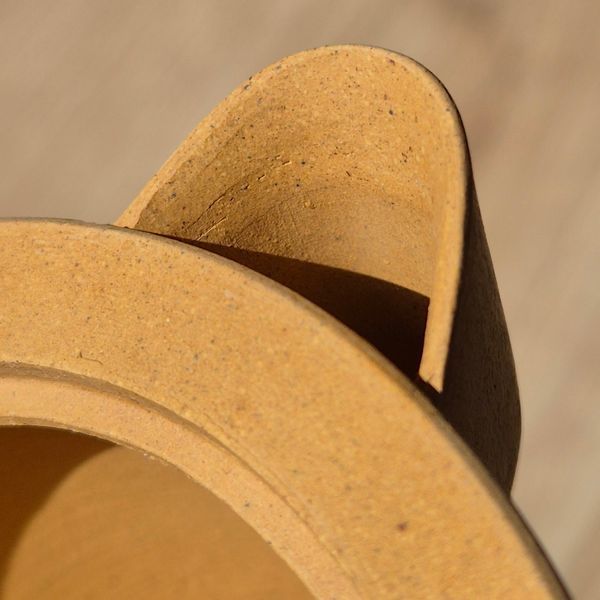
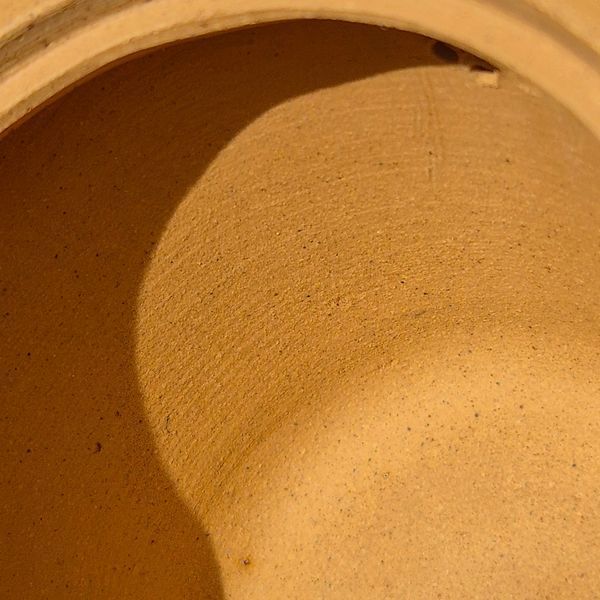
🟡 Duan Ni clay, yellow. Very pleasant to the touch, resembles thick kraft paper. The walls are thick, and the hohin itself has moderate weight, therefore it has a high heat capacity. The workmanship is in the spirit of those times - neat, almost perfect. The volume is approximately 160 ml. The filter is a birdcage.