



|
Quantity
|
Total
|
||
|
|
|||
|
|
|||
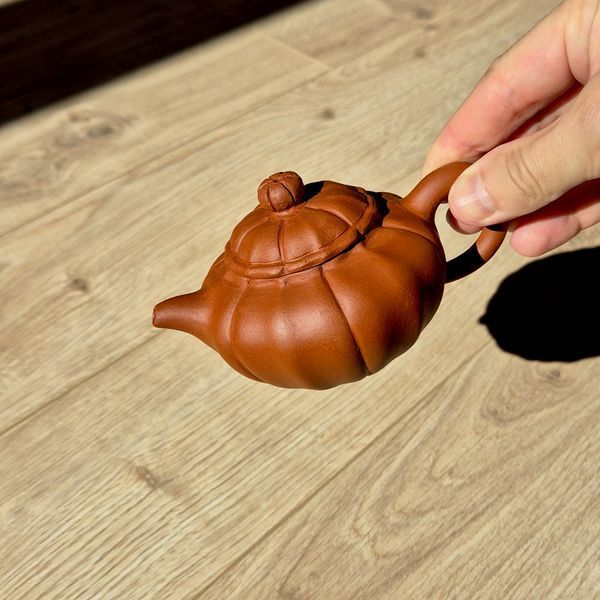
🫖 Chrysanthemum Teapot. Taiwanese import 80s-90s
🇹🇼 In the late 80s, there was a strong demand for old Yixing master teapots in Taiwan, and this demand remained stable in the 90s. Accordingly, collectors, museums, special literature and, most importantly, fashion appeared. There were not enough original old teapots for everyone, so the phenomenon of Taiwanese imitations appeared.
🎎 Basically, imitation consisted in making a teapot using the methods used by masters during the times of the emperors, that is, reproduction. There was an emphasis on traditional clay processing, the molding process and archaic form. Of course, there were visual copies without any reference to methods. For example, Lai Jiecheng 赖杰诚 , editor of the Taiwanese teapot magazine "The World Inside the Teapot" 壺中天地, went to Dingshan (Yixing) to order replicas from pictures.
📜 This teapot does not copy the original products, but there is a tangible link to antiquity: traditional clay processing, shape and details of the form. It really looks old.
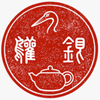
🌀 A stamp in the form of a circle, in the center of which is the Taiwanese "White Sun" with 12 rays, as well as an inscription around it. The inscription 中華民國西南資產解凍總印 literally translates as "General Seal of the Unfreezing of Assets of the Southwest Region of the Republic of China". Such an organization does not exist, that is, there is an attempt to give the teapot antiquity and historicity, although the seal is original and designed from scratch.
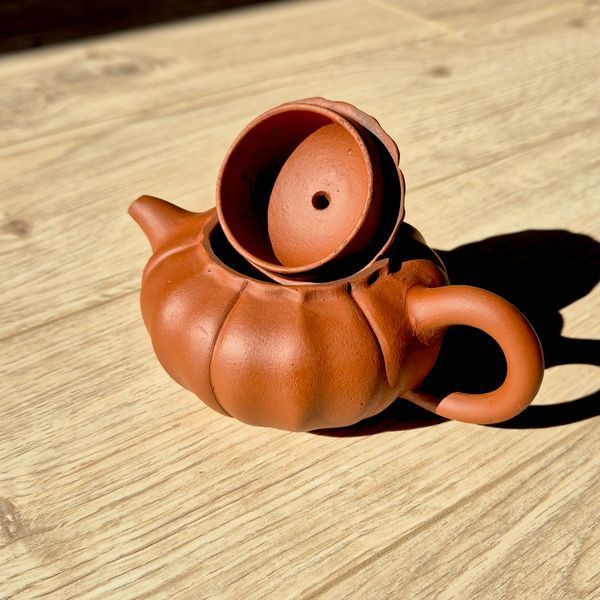
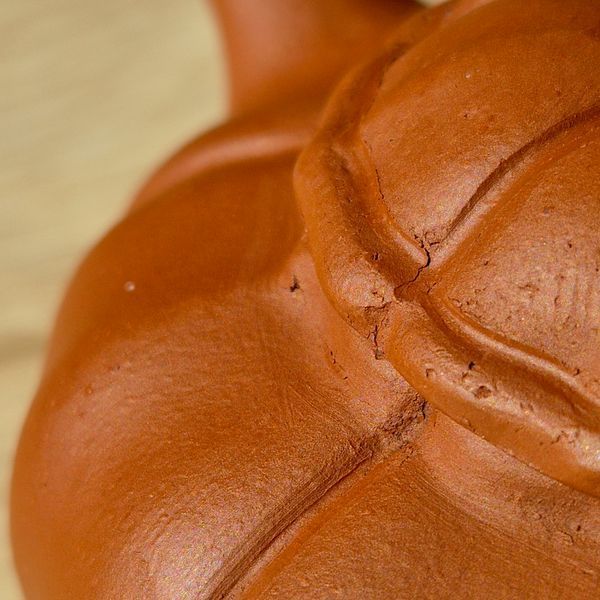
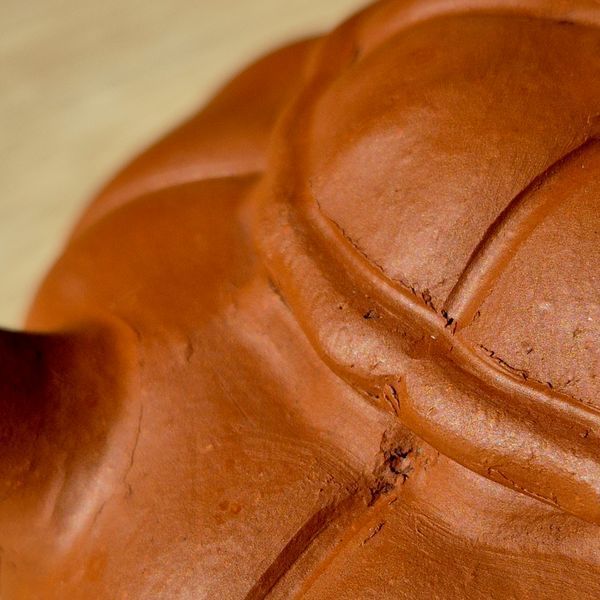
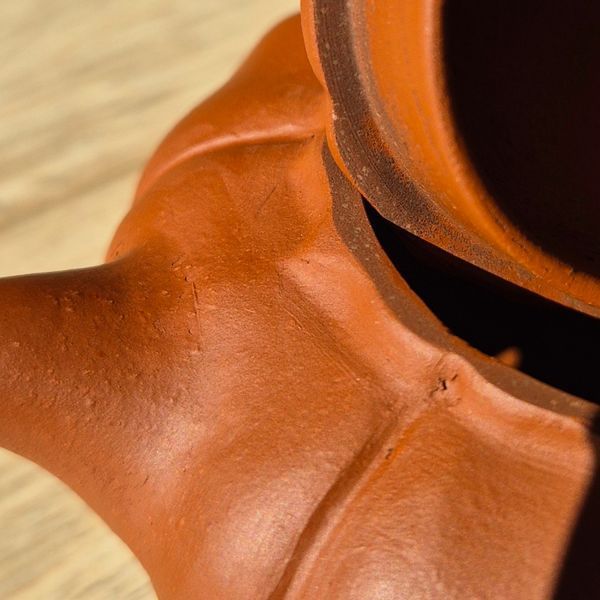
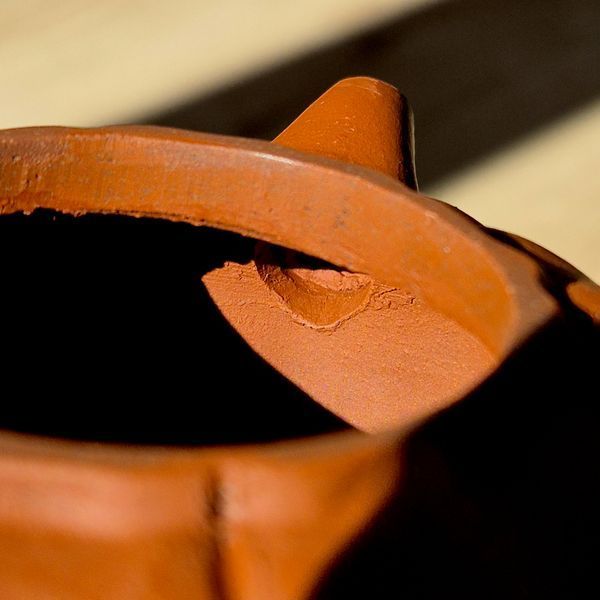
🧱 Pay attention to the interesting texture of the clay and its color - this is a pretty good reproduction of the Qing Zhu Ni. The teapot is thick-walled and quite heavy. The lid sits well, almost without backlash, there is no leakage from under the lid, and the drain is even.
🧂 Each single-hole teapot comes with a food-grade stainless steel filter insert.